

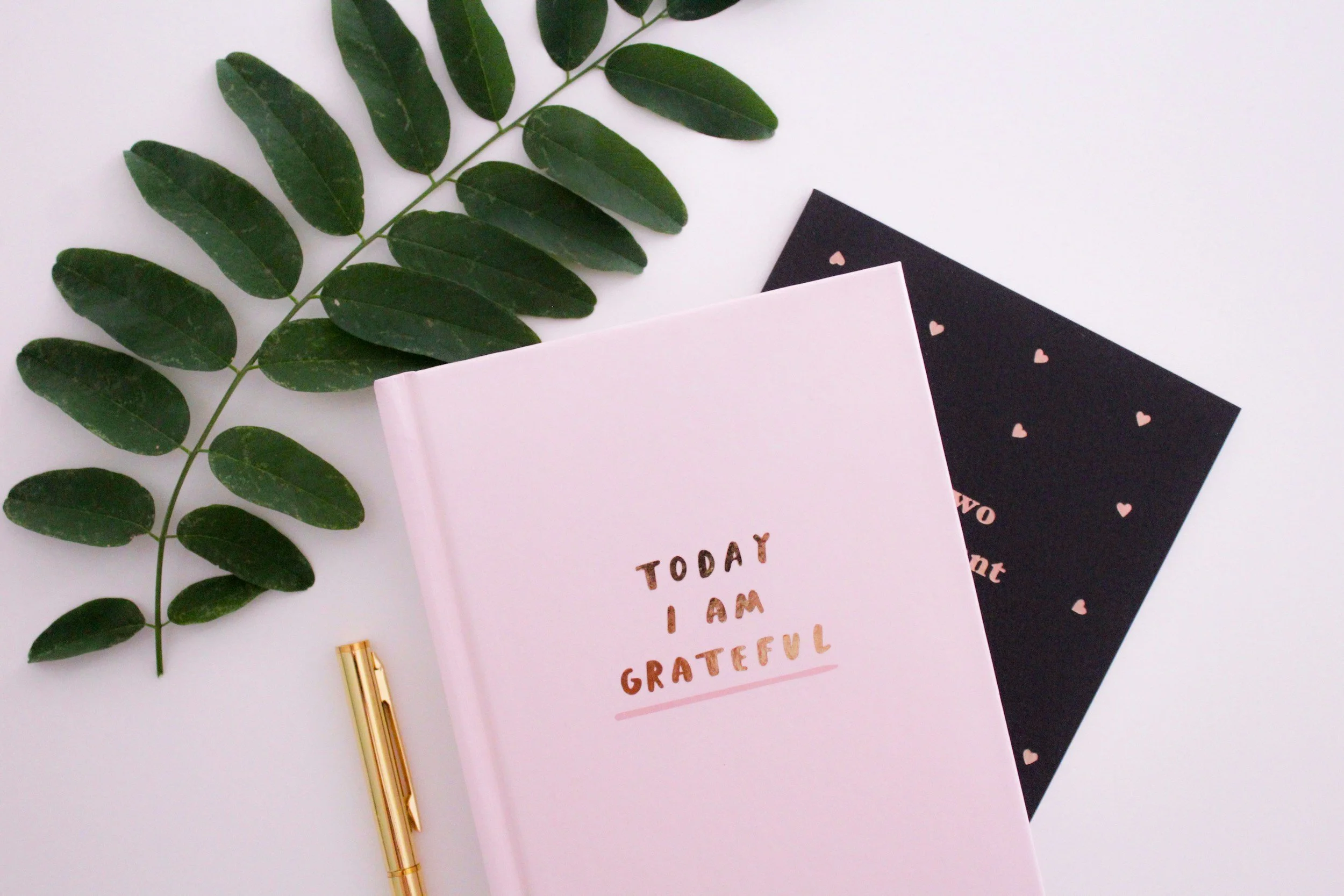

Strength Training and Anxiety
Strength Training and Anxiety: How Movement Supports Mental Health
Exercise is not only a physical practice—it is a powerful regulator of the nervous system.
Strength training, in particular, has been shown to reduce symptoms of anxiety and improve emotional stability when performed consistently.
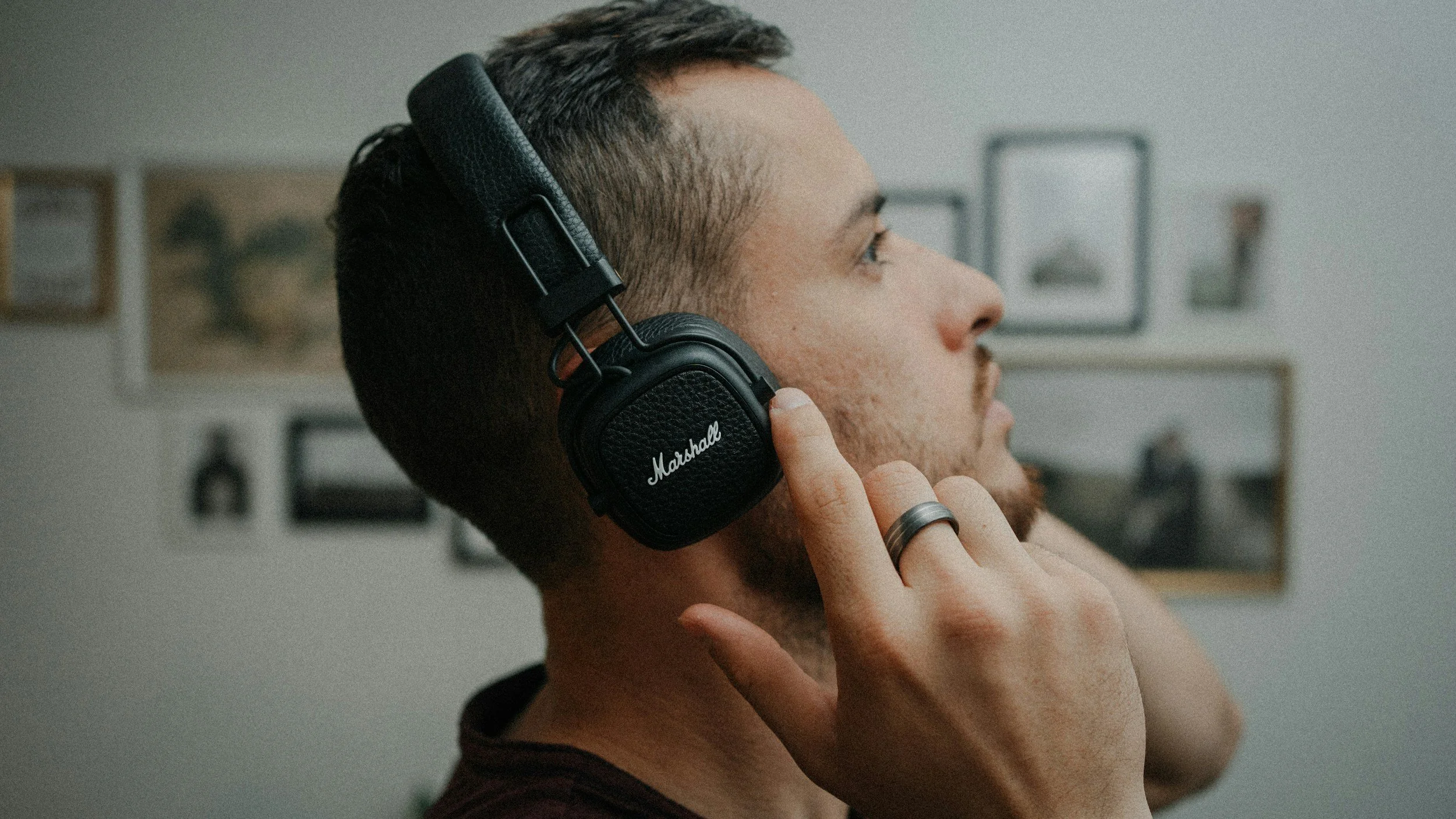
How Music Can Support Emotional Regulation
How Music Can Support Emotional Regulation
Music is not only a form of entertainment—it is a powerful tool that directly influences brain activity, emotional processing, and the nervous system.
Research shows that music can modulate mood, reduce stress, and support emotional regulation when used intentionally.

Daily Natural Light Exposure and Stress
Daily Natural Light Exposure and Mental Health
Natural light is one of the most powerful and underutilized regulators of mental health.
Daily exposure to sunlight plays a key role in synchronizing the body’s internal clock, regulating hormones, and supporting emotional stability.
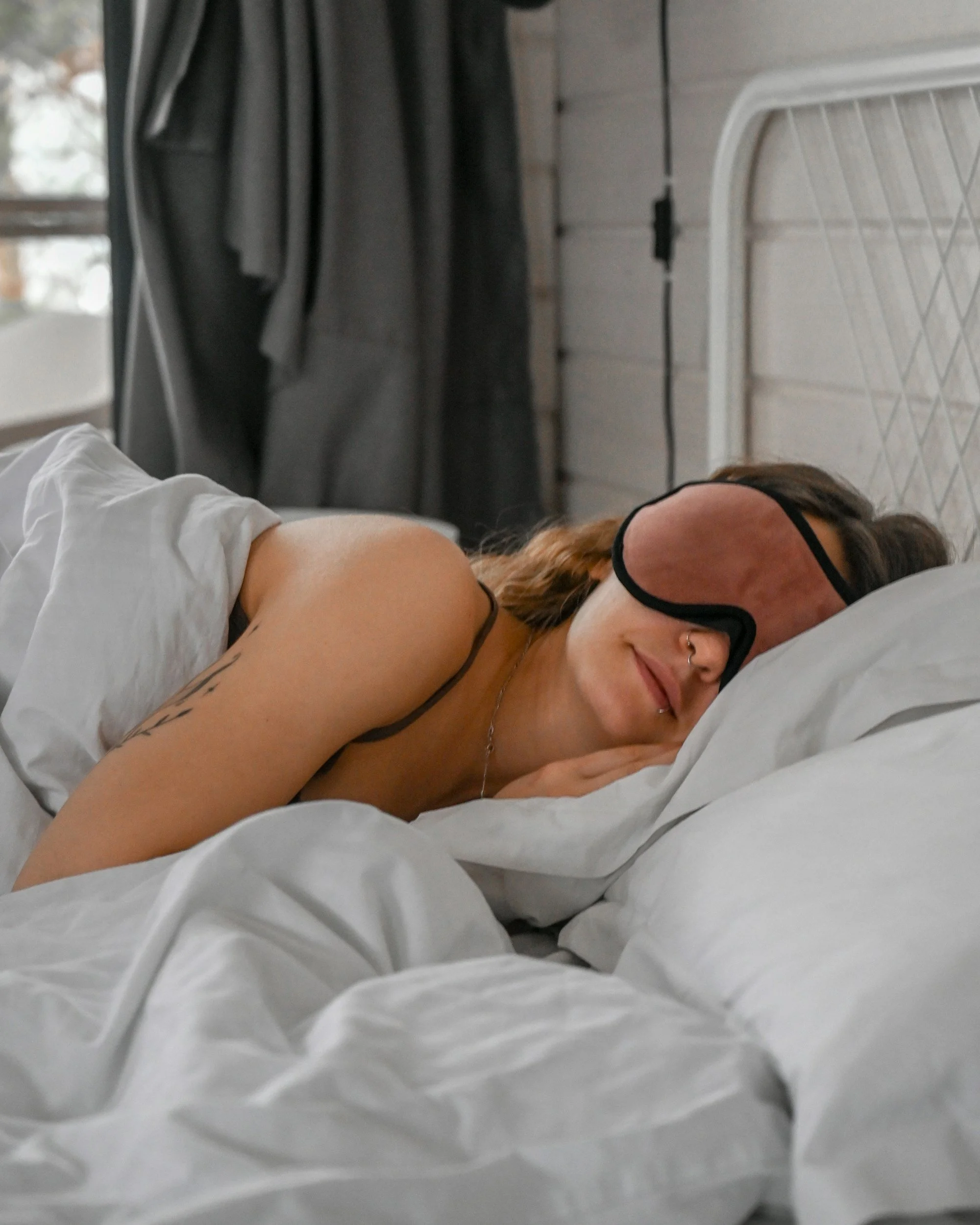
Why Sleep Is the Foundation of Mental Health
Why Sleep Is the Foundation of Mental Health
Sleep is not just rest. It is a core biological process that regulates brain function, emotional stability, and stress response.
When sleep is insufficient or irregular, the brain’s ability to process emotions and manage stress is significantly affected.

Autism, Neurobiological Perspective on Different Ways of Experiencing the World
Autism, or Autism Spectrum Disorder (ASD), is a neurodevelopmental condition characterized by differences in social communication, sensory processing, and behavioral patterns.

Does emotional validation spoil children?
Does emotional validation spoil children?
No. Research shows it supports emotional development.The start of the year can also be emotionally demanding for children and adolescents.
Changes in routine, academic expectations, and emotional carryover from the previous year can affect their regulation.

Emotional Burnout: How to Spot It and Recover Before It Gets Worse
Emotional Burnout—How to Identify It and Turn It Around If you’ve lost your motivation, feel constantly irritable, or your body is on pause while your mind races, you may be dealing with emotional burnout—not just everyday fatigue.

Silent Anxiety: Recognizing the Signs and Calming Your Mind
Silent Anxiety: Recognizing the Signs and Calming Your Mind
SEO Keywords: silent anxiety, anxiety symptoms, how to calm anxiety, mental health, anxiety therapy
Not all anxiety is loud. For many people, anxiety shows up silently—hidden behind smiles, responsibilities, or high-functioning routines. This is known as silent anxiety. Left unrecognized, it can affect your mental health, relationships, and physical body over time. Understanding the subtle anxiety symptoms is the first step toward healing.