When a family is going through stress?
What happens when a family is under stress
When a family is going through stress, it doesn’t affect just one person.
👉 You can feel it in the environment
👉 communication changes
👉 irritability increases
And it’s often interpreted as:
“bad attitude” or “personality issues”
But in reality, it’s emotional overload.
Signs of stress or anxiety in the family
more frequent arguments
impulsive reactions
silence or avoidance
constant tension
This isn’t random.
It’s a saturated emotional system.
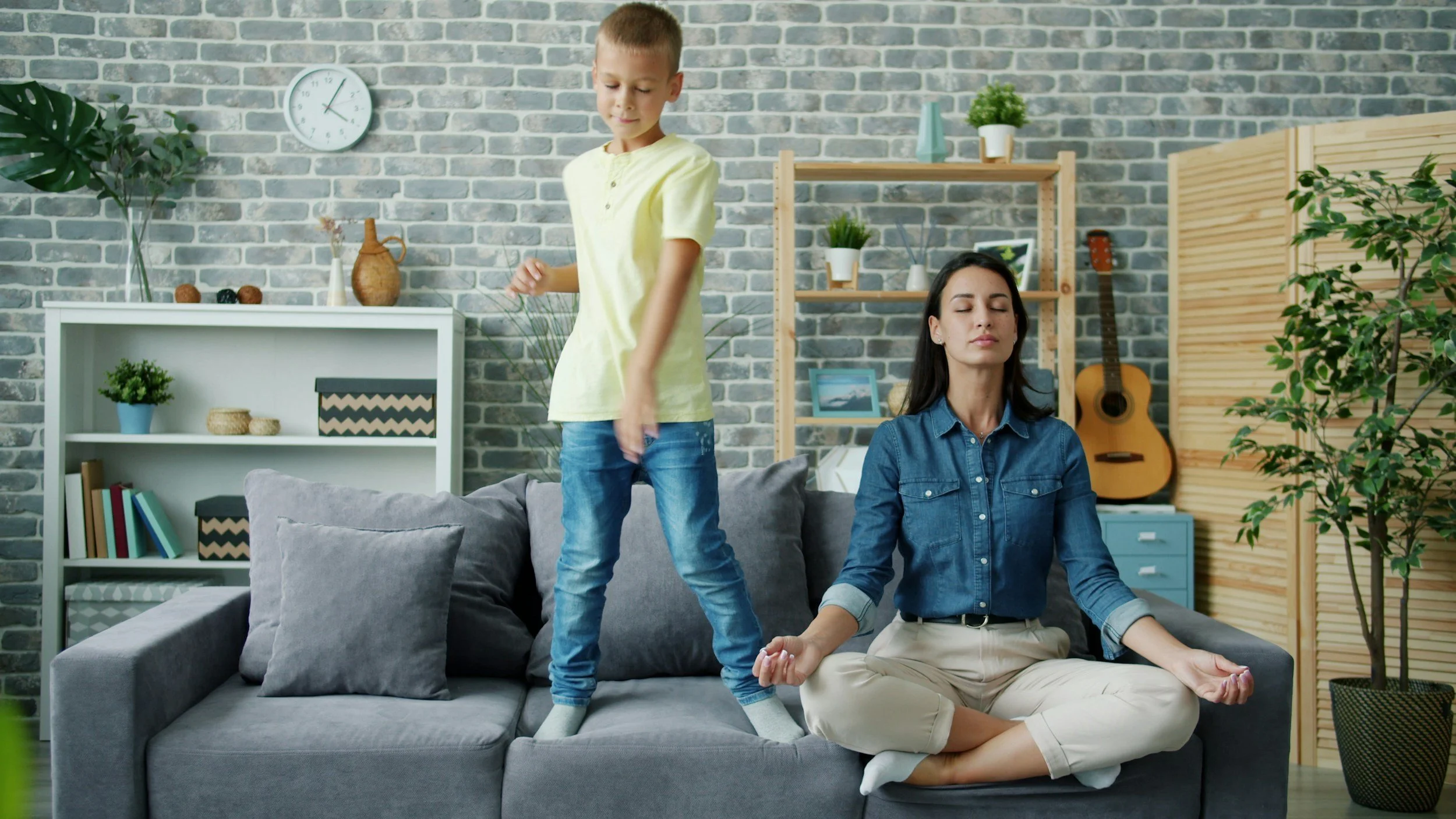
Tool 1: pause before reacting
In stressful moments, people tend to react automatically.
Before responding:
👉 pause
👉 take a deep breath
👉 lower the intensity
This can completely change the direction of a conversation.
Tool 2: speak from yourself, not about the other
Instead of:
👉 “you always do this”
Try:
👉 “I’m feeling…”
👉 “this is affecting me this way…”
This reduces defensiveness and opens dialogue.
Tool 3: don’t try to solve everything at once
Stress creates urgency to “fix everything.”
But that increases conflict.
👉 choose one topic
👉 leave space to continue later
Tool 4: create safe moments to talk
Not everything should be discussed in the middle of a conflict.
Look for:
calm moments
no screens
no interruptions
This improves the quality of communication.
Tool 5: recognize the other person’s emotional state
Sometimes it’s not about what’s being said — it’s about the state.
Simple questions can help:
👉 “are you overwhelmed today?”
👉 “do you want to talk later?”
This lowers tension immediately.
When a family is under stress,
it doesn’t need perfect solutions.
It needs tools to manage what’s happening.
Small changes in how people communicate
can shift the entire emotional environment.
SEO Q&A
How do you manage stress in a family
By reducing reactivity, improving communication, and creating safe spaces to talk.
What can I do when there is tension at home
Pause before reacting, avoid solving everything at once, and validate emotions.
How can families reduce conflict
By using non-accusatory language and understanding each other’s emotional state.